
Table of Contents
- Why Families Look Beyond the Denver Children’s Museum
- Indoor Playgrounds for Toddlers: Finding Space to Explore
- Kids Wonder: Breadth of Activities and Room to Play
- Imaginative Play Places for Kids: WOW Museum in Lafayette
- Indoor Activities for Preschoolers: Play Street Museum
- What to Look for in a Children’s Museum Alternative
- Making the Right Choice for Your Family
- Frequently Asked Questions
Last Updated: October 10, 2026
Why Families Look Beyond the Denver Children’s Museum
Parents often search for alternatives to Denver Children’s Museum because they’re seeking variety, less crowded spaces, or different play experiences that fit their family’s needs and budget. The Denver Children’s Museum draws crowds year-round, which can make it challenging for families with younger children or those who prefer calmer, more spacious environments for exploration.
At Kids Wonder, we understand that every family has different priorities when choosing where to spend time with their children. Some families want hands-on learning experiences. Others prioritize open space where toddlers can move freely without bumping into crowds. Many are looking for activities that won’t require a second mortgage.
The good news: there are excellent alternatives to the Denver Children’s Museum for kids that deliver imaginative play, developmental benefits, and memorable experiences. These spaces offer distinct advantages, from dedicated areas for different age groups to more affordable admission and less congestion during peak hours.
Child development research from the American Academy of Pediatrics emphasizes that unstructured, imaginative play is essential for healthy development. Your family doesn’t need a single “must-visit” destination. Instead, rotating between different play spaces keeps children engaged, prevents boredom, and gives families flexibility in planning outings.
Indoor Playgrounds for Toddlers: Finding Space to Explore
When you have a toddler, indoor playgrounds for toddlers become your go-to resource during cold months or when outdoor play isn’t practical. The best indoor playgrounds for toddlers feature dedicated zones where smaller children can climb, explore, and play without worrying about being knocked over by older kids.
Look for facilities that separate age groups or create crawler-friendly zones. Crawlers and early walkers between 6 months and 2 years benefit from spaces with soft climbing structures, slides scaled to their size, and open floor space practicing motor skills. These environments support physical development while giving parents peace of mind.
Many families find that smaller, neighborhood-focused play centers offer this better than larger museums, which can feel overwhelming for the youngest visitors.
Kids Wonder: Breadth of Activities and Room to Play
Kids Wonder stands out as the best alternative to the Denver Children’s Museum for kids seeking space and variety under one roof. Our 13,000-square-foot facility in Centennial gives children room to explore without feeling cramped, and our dedicated Lil’Town features 14 themed play areas, including a grocery store, pizzaria, daycare, fire station, veterinarian, theatre, bank, house, city works, airport, cafe, post office, library, and school, that spark imagination across different interests and developmental stages.
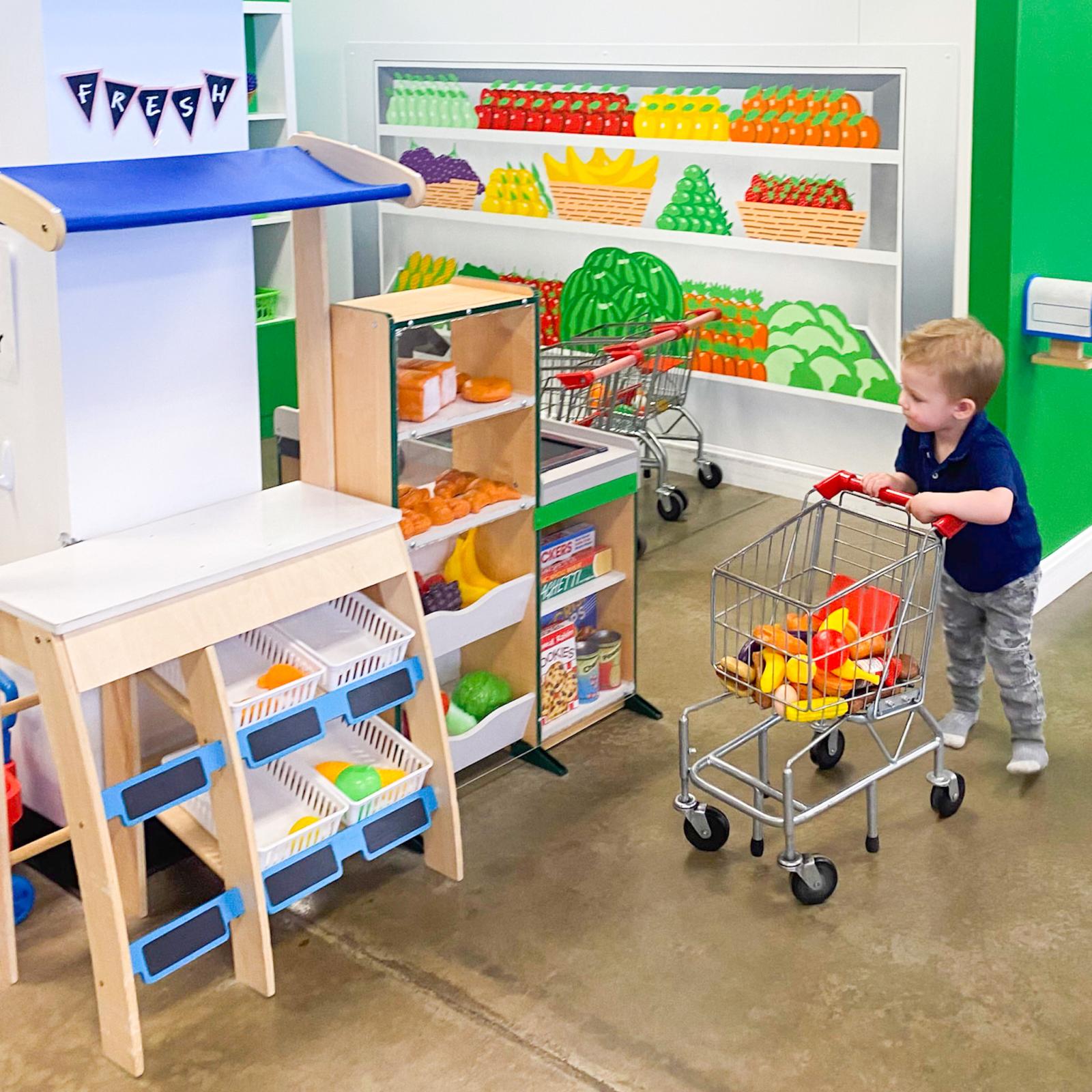
What makes Kids Wonder different is the combination of breadth and breathing room. We’re open every day for drop-in play, so families can visit on their schedule. Our safe crawler zone serves children as young as 6 months, meaning you’re not outgrowing us as your family grows. The themed play areas keep older toddlers and preschoolers engaged with activities that rotate their interests, from imaginative play to physical challenges. These versatile environments provide a reliable foundation for your routine, helping you balance consistent indoor play with a variety of weekend family activities that keep children active across different settings.
Parents consistently tell us they choose Kids Wonder because their children have space to move freely, the environment feels less chaotic than crowded museum settings, and the variety means multiple visits don’t feel repetitive. We’ve been voted the Favorite Kids Entertainment Venue 6 times by readers of Colorado Parent magazine, which reflects how seriously we take creating environments where children thrive.
Imaginative Play Places for Kids: WOW Museum in Lafayette
The WOW Museum in Lafayette offers a different spin on imaginative play places for kids, with a focus on hands-on creativity and discovery. It draws families seeking a museum-style learning experience without the crowds and sensory intensity of larger facilities.
WOW Museum emphasizes interactive exhibits where children engage with art, science, and creative challenges. The space works well for preschoolers and early elementary-age children who enjoy structured activities and guided exploration. Exhibits rotate seasonally, so returning families encounter new content rather than repeating the same experience. Families appreciate the thoughtfully designed stations that encourage curiosity and problem-solving, children might build with magnetic tiles, engage in water play, explore light and shadow, or participate in hands-on science demonstrations.
Unlike the Denver Children’s Museum, which operates as a large, multi-floor facility with high foot traffic, WOW Museum maintains a smaller, more intimate footprint. This means less sensory overload for children who are overwhelmed by noise and crowds, and easier supervision for parents. The trade-off is accessibility: WOW Museum operates on set hours, making it less convenient for spontaneous visits or families on tight schedules. Parking is available on-site, and most visits run 1.5 to 2.5 hours depending on your child’s engagement level.
WOW Museum is ideal if your family loves museum-style learning experiences, doesn’t mind a short drive, and wants a calmer alternative to high-traffic downtown attractions. It’s particularly strong for families with school-age children who thrive on structured, educational play rather than open-ended exploration.
Indoor Activities for Preschoolers: Play Street Museum
Play Street Museum rounds out the list of alternatives for indoor activities for preschoolers, offering a neighborhood-focused experience. Located in a more intimate setting than the Denver Children’s Museum, Play Street Museum specializes in creating spaces where preschoolers can engage in pretend play, sensory exploration, and social interaction without the overwhelming scale of larger facilities.
Play Street Museum’s strength lies in its themed play areas built around real-world scenarios that spark imaginative play. Children move through community role-play environments. These setups build social skills, language development, and creative thinking as children practice everyday interactions in a safe, supervised space. The pretend-play focus aligns with how preschoolers learn best, through imitation and exploration of familiar adult roles.
The significantly smaller scale compared to the Denver Children’s Museum means less sensory overload and more one-on-one interaction for children. Staff are accessible and visible, and the space doesn’t feel rushed or chaotic. Parking is convenient, visits are limited to a 1 ½ hour sessions, making it realistic for families with younger children who have limited attention spans or need to manage nap schedules. The facility is designed with preschool-specific safety in mind: low climbing structures, soft play surfaces, and clear sight lines so parents can supervise easily.
Play Street Museum is ideal for families with toddlers and preschoolers who prefer quieter, more structured play environments over open-ended exploration. It’s particularly strong for children who are just beginning to engage in pretend play and benefit from familiar, recognizable scenarios. If your family values a calm, neighborhood-based option where your child can build familiarity with the space, Play Street Museum delivers that experience without requiring a long drive or dealing with the crowds typical of downtown museum settings.
Be sure to plan ahead for Play Street Museum as reservations for a session are required and are limited on weekends to time slots not filled by birthday parties.
What to Look for in a Children’s Museum Alternative
When evaluating alternatives to Denver Children’s Museum, consider these key factors that separate excellent facilities from average ones:
|
Factor |
Why It Matters |
What to Look For |
|---|---|---|
|
Age-Appropriate Zones |
Toddlers need separation from older kids |
Dedicated crawler areas, height-appropriate structures |
|
Open Floor Space |
Room to move prevents overstimulation |
Visible sight lines, uncluttered play areas |
|
Variety of Activities |
Keeps children engaged across visits |
Multiple themed zones, rotating exhibits or features |
|
Accessibility & Convenience |
Fits your family’s schedule and needs |
Drop-in options, extended hours, nearby location |
|
Safety Standards |
Peace of mind while children play |
Clean facilities, padded surfaces, staff supervision |
|
Value |
Fits family budgets |
Membership options, affordable drop-in rates |
Focus on what matters most to your family. Some families prioritize structured learning. Others want maximum space for active play. Some need flexibility for working parents or caregivers. Your ideal alternative depends on your specific needs, not on what’s popular.
Making the Right Choice for Your Family
The best alternative to the Denver Children’s Museum for kids is the one that fits your family’s needs, schedule, and values. There’s no single “right” answer, different spaces serve different purposes.
If you want maximum space, variety, and the flexibility of drop-in play without advance planning, Kids Wonder delivers all three. Our 13,000 square feet, 14 themed play areas, and drop-in play every day mean your family has room to breathe and reasons to return.
If you prefer a museum-style learning experience with structured exhibits, WOW Museum offer that focused approach.
If you want a neighborhood option with a preschool-specific environment, Play Street Museum is a good fit.
The truth: most families don’t choose just one. They rotate between spaces depending on what their children need that day, sometimes active, unstructured play; sometimes guided learning; sometimes a quiet, familiar neighborhood spot.
Ready to discover a play space that grows with your child? Research on unstructured play benefits shows children thrive when they have room to explore and variety in their play environments. Kids Wonder offers both, with 14 themed play areas, dedicated zones for different ages, and the space your family deserves. Book a visit to Kids Wonder and see why families throughout the Centennial and Littleton area choose us for drop-in play, birthday parties, and everyday adventures. Get started with Kids Wonder and give your child the space to wonder, play, and grow.
Frequently Asked Questions
What are the best alternatives to the Denver Children’s Museum for kids?
Kids Wonder, WOW Museum, and Play Street Museum are excellent alternatives. Each offers imaginative play, hands-on activities, and less crowded environments than traditional museums. Kids Wonder stands out for its 13,000 square feet of space and 14 themed play areas, making it ideal for families seeking room to explore without overwhelming crowds.
Which indoor playgrounds for toddlers are less busy and more affordable?
Kids Wonder specializes in serving children aged 6 months to 6 years with a dedicated crawler zone for infants and toddlers and inflatables for active kids. The facility’s size and drop-in model mean families can visit during quieter times. Play Street Museum also caters to younger children with age-appropriate activities, offering a less hectic alternative to larger museums.
What makes indoor activities for preschoolers different at these venues?
These alternatives focus on unstructured, imaginative play rather than formal exhibits. Play Street Museum emphasizes creative exploration, while Kids Wonder’s themed Lil’Town areas encourage pretend play and physical development. Both prioritize hands-on engagement over passive observation, supporting how preschoolers learn best through active play.
How can families find a less-crowded indoor play place?
Visit during weekday afternoons or off-peak hours. Smaller, neighborhood-focused venues like Kids Wonder and Play Street Museum typically draw fewer visitors than major museums. Drop-in facilities offer flexibility to choose quieter times, while membership or frequent-visitor options help families avoid peak weekend crowds.